
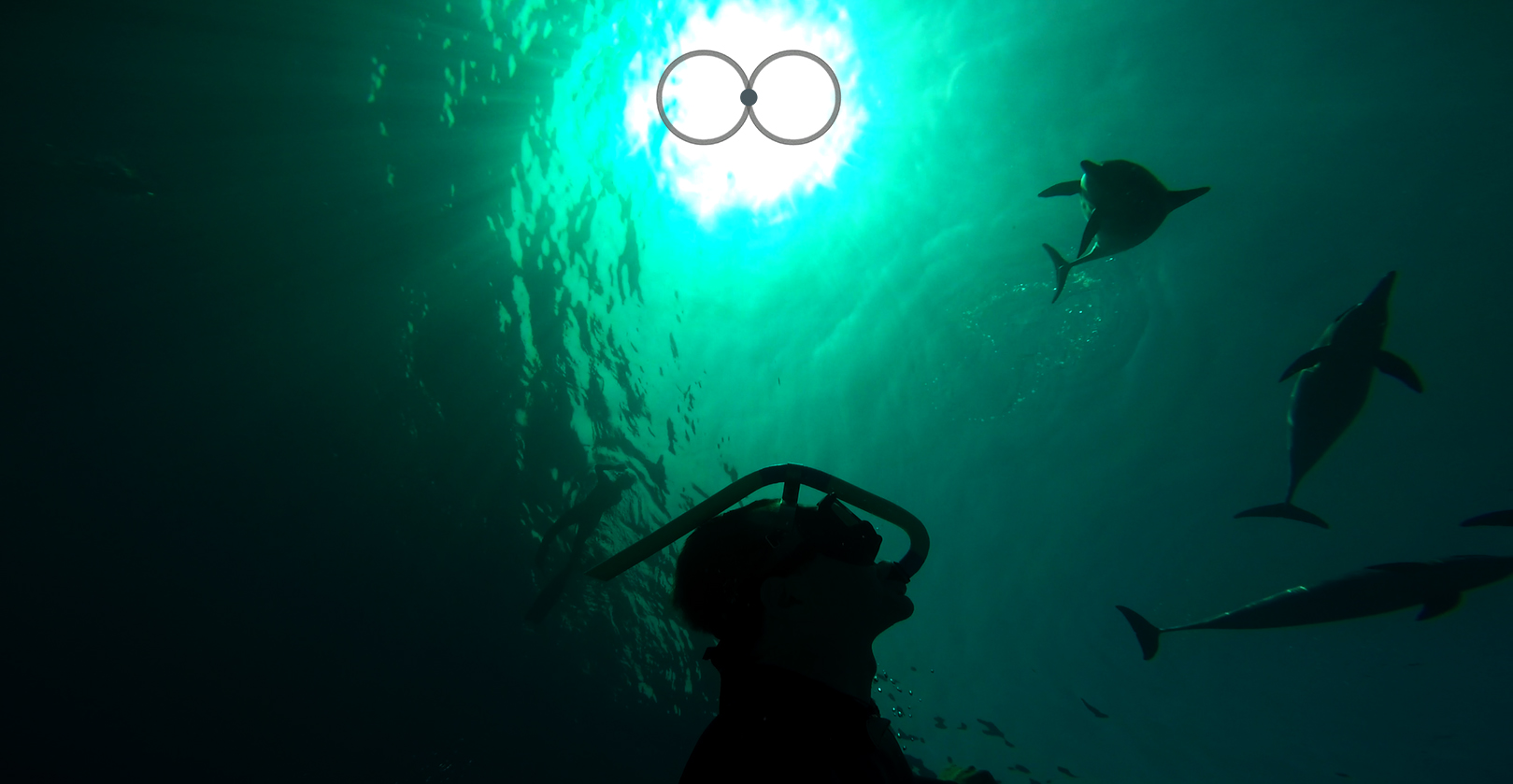
What is « symbiomimicry » ?
Meeting dolphins in their natural habitat was one of the keys to reconnecting with my senses, my own rhythm, my own environment, and rediscovering a sense of childlike joy. It was from this lived intuition in the field, preceding any theoretical framework, that Symbiomimétisme® was born. At least in my personal life experience…
Symbiomimétisme is a conceptual and systemic framework designed to describe, analyze, and support the relationships between humans and the living world—including wild or domestic animals, plants, habitats, and ecosystems—from a perspective of functional, ethical, and non-anthropocentric symbiosis.
The English term ‘symbiomimicry’ was proposed as early as 2015 by the Australian philosopher Glenn Albrecht. His work envisions symbiosis on the scale of societies and policies, a governance architecture that I greatly respect, but do not claim to emulate. My work is situated elsewhere: within the enaction of the encounter, aiming to map the full spectrum of sensory experiences between a human and a living being. Symbiomimétisme® is rooted in this embodied experience
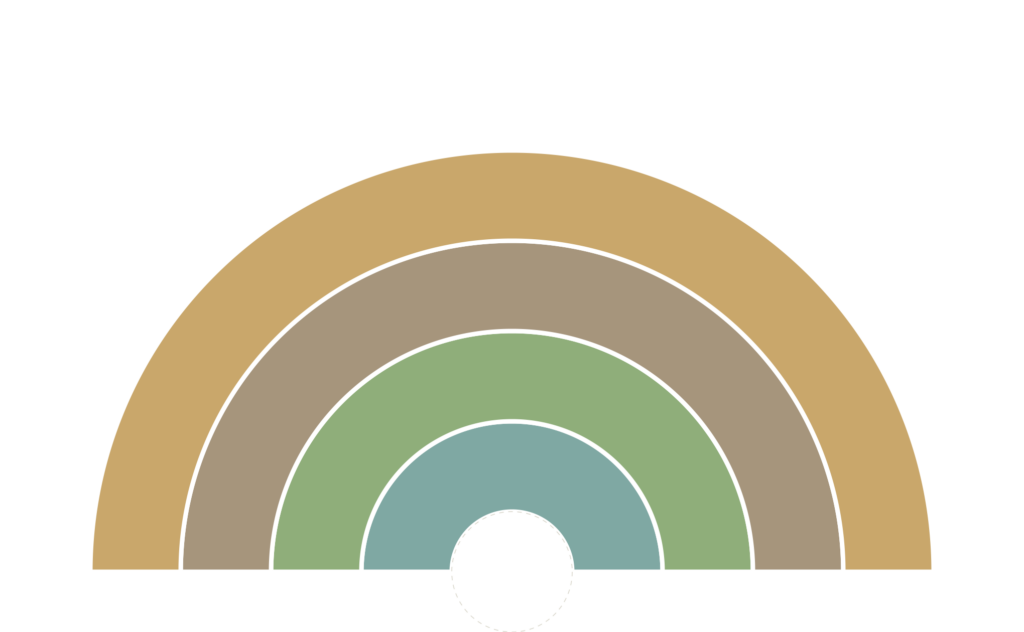
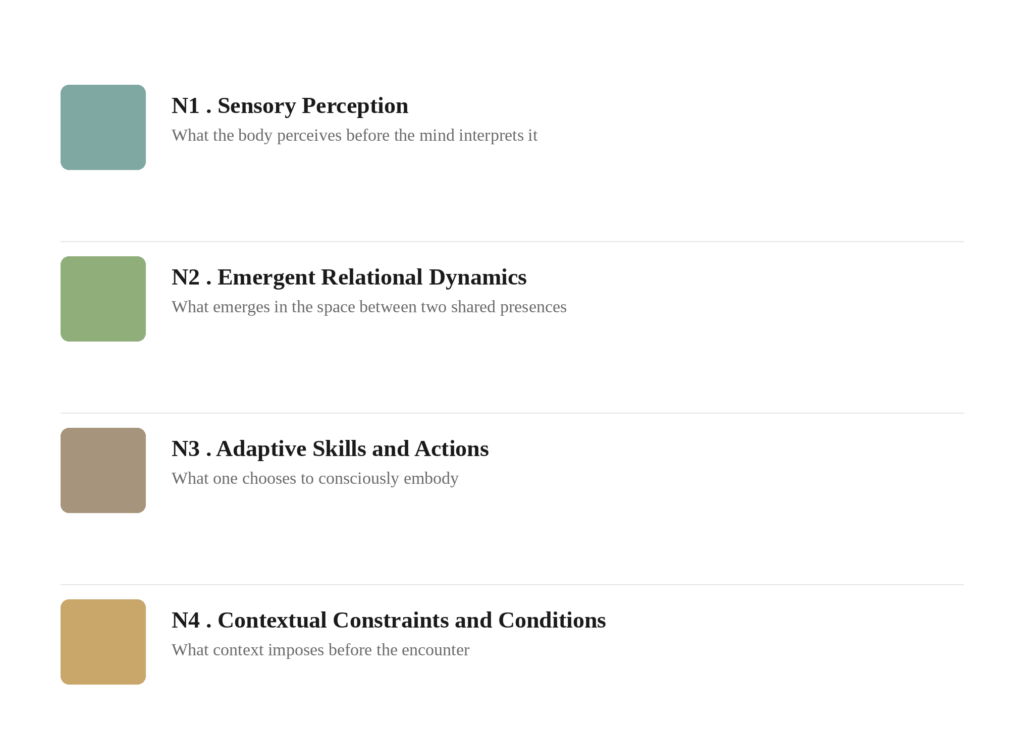
A systemic matrix of the living world
v
The experiential approach
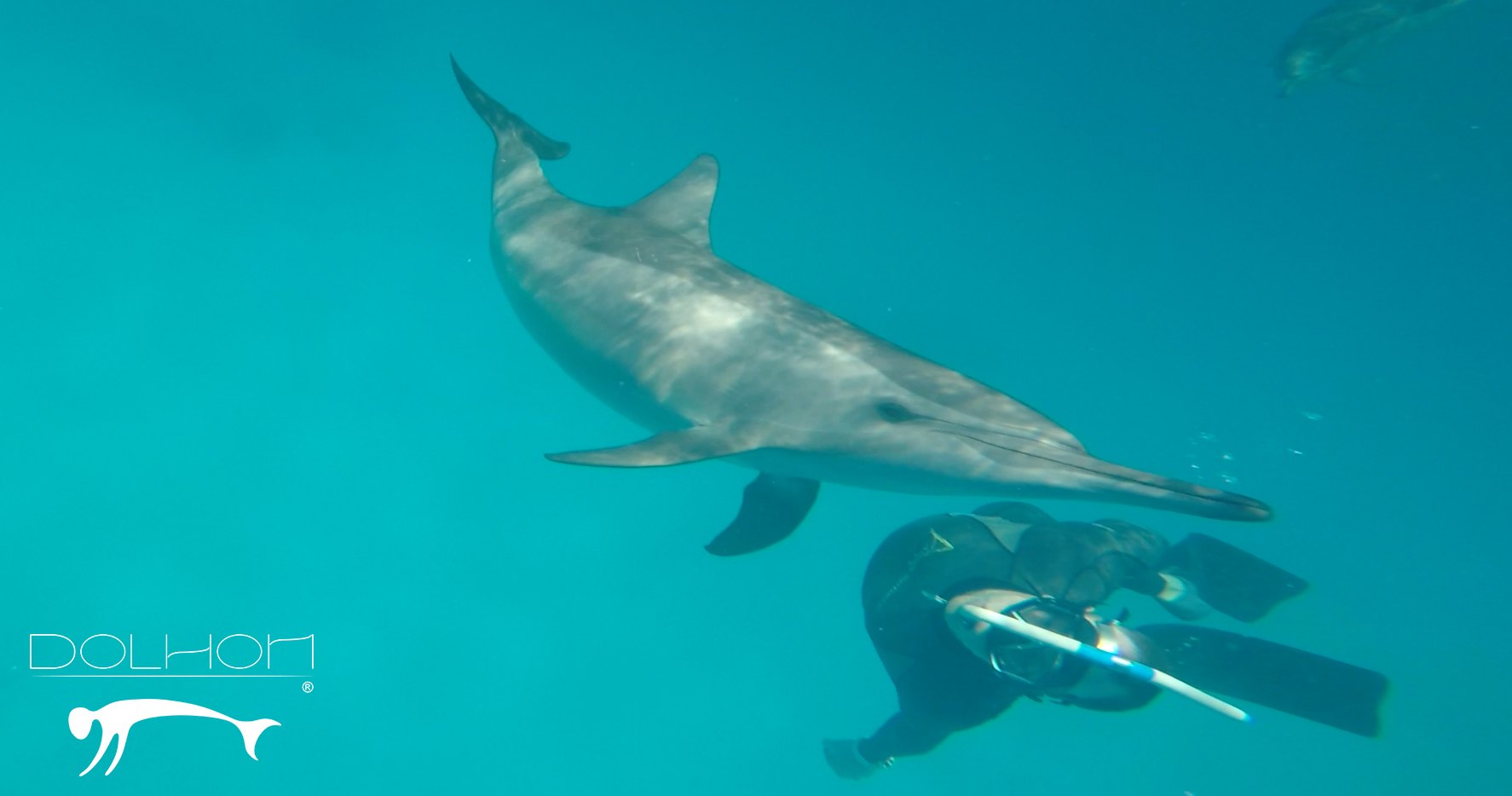
Beyond the concept: the felt sense
“Symbiomimétisme” cannot be theorized. It must be experienced. It is that suspended moment when, in a dolphin’s eye contact, an invisible barrier falls away. It is that precise instant when you are no longer “performing” an action, but “entering” into a shared frequency. By exploring these (soon coming) sensory card decks, you will not find “recipes,” but triggers, keys to refining your perception, deciphering the signals of the living world, and reawakening that forgotten intuition which, fundamentally, connects us to everything that breathes.
Closing thought: The living world as a compass
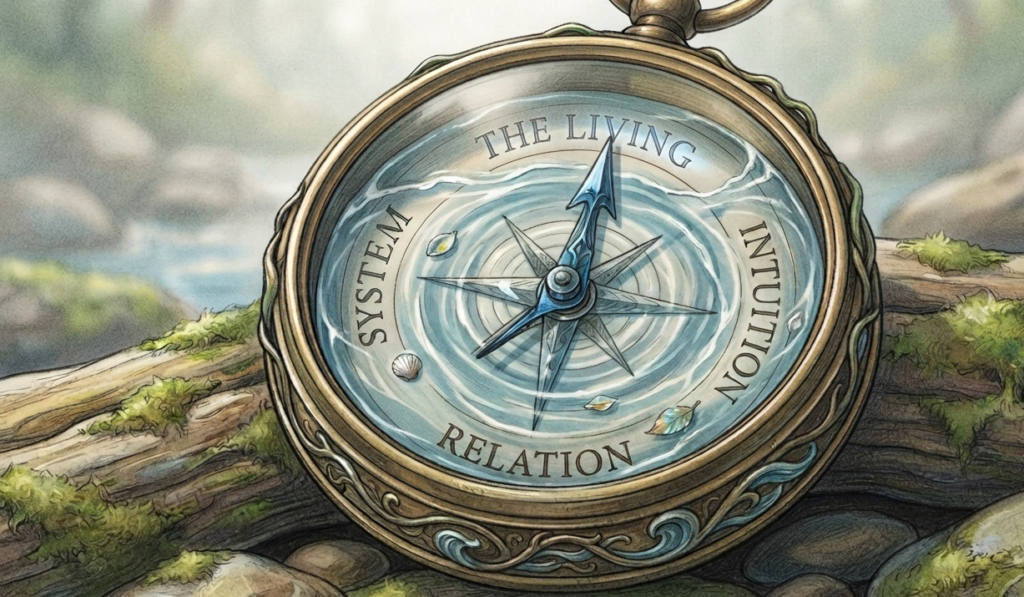
Approaching the living world as a complex system means accepting that analytical rationality is no longer enough. The engineering of life—this “organized chaos”—demands a compass that oscillates between the discernment of systemic observation and the fluidity of intuition. In this state of relational Flow, interdependence ceases to be a theoretical concept and becomes a lived reality: we are resonant threads in a vibrant web, where every intention sends ripples through the entire tapestry.
The philosopher Martin Buber reminds us of a fundamental truth:
“All real living is meeting.”
By developing this capacity to encounter the living world beyond appearances, we learn to read the movement behind the form. Symbiomimétisme is not an imitation; it is a dance. The following diagram is therefore not a mere representation, but a compass: a tool to guide our behaviors and realign our presence toward greater accuracy, reciprocity, and life.